Paris Hilton’s ADHD Summit 2026: What Happened, Who Was Invited, and Why It Matters
Paris Hilton brought more than 200 neurodivergent creators together for her UNSTOPPABLE ADHD Creator Summit. But beyond the celebrities, pink decorations, and viral videos, what did the event actually achieve for the ADHD community? And what if you weren’t invited?
If your social media feed suddenly filled up with ADHD creators hanging out at Paris Hilton’s mansion, you probably had a few questions.
Wait, Paris Hilton hosted an ADHD summit? Who was there? What did they talk about? And how did everyone seem to get an invitation except me?
First of all, yes, it really happened.
And honestly, there’s a lot to love about it.
But there’s also a bigger conversation worth having about ADHD awareness, influencer culture, inclusion, and the pressure to turn neurodivergence into something endlessly inspirational.
Let’s unpack what happened, why Paris organized it, and what the rest of us can take away from it.
What was Paris Hilton’s ADHD Summit?
On October 15, 2026, Paris Hilton hosted UNSTOPPABLE, an ADHD Creator Summit, at her Los Angeles home, known as Slivington Manor.
The invitation-only event was organized through her nonprofit, 11:11 Media Impact, during ADHD Awareness Month.
According to post-event coverage, more than 200 neurodivergent creators, advocates, entrepreneurs, and experts attended. Organizers estimated that their combined social media audiences exceeded 500 million people.
The goal wasn’t simply to throw a spectacular party for people with ADHD.
It was to bring influential creators together, connect them with qualified experts, and help them share more accurate and supportive information with their audiences.
Understood.org was the educational partner, while Loop Earplugs was the presenting sponsor.
And yes, because this was Paris Hilton’s house, there was plenty of pink.
What actually happened at the UNSTOPPABLE ADHD Creator Summit?
Forget the traditional conference experience of sitting in a crowded room for eight hours, trying desperately to concentrate on one presentation after another.
UNSTOPPABLE took a different approach.
The organizers designed a playful environment with creative activities, sensory experiences, movement, and opportunities to socialize or decompress.
According to Fast Company’s reporting, the event included a ball pit, giant slide, inflatable attractions, alpacas, and plenty of themed merchandise.
There were also educational conversations about ADHD and mental health.
The educational sessions
The program included specialists from Understood.org, Weill Cornell Medicine, The Mental Health Coalition, The Jed Foundation, and other organizations.
Among the announced speakers were:
- Sarah Greenberg and Dr. Andrew Kahn, discussing ADHD research and misinformation.
- Dr. Conor Liston and Melissa Floren Filippone, exploring differences in how neurodivergent brains function.
- Dr. Sasha Hamdani and other mental health advocates, discussing responsible storytelling and mental health communication.
One of the central topics was how creators can talk about their personal ADHD experiences without accidentally spreading misinformation.
That’s an especially important conversation when social media is often someone’s first introduction to ADHD.
Personal stories can help us feel understood, but they shouldn’t replace reliable medical information.
A conversation with Paris Hilton
The summit concluded with a discussion featuring Paris Hilton, entrepreneur Anton Rabie, and fashion designer Stacey Bendet.
The conversation was moderated by Nancy Armstrong, an ADHD parenting coach and creator of the documentary The Disruptors.
The participants discussed their experiences with ADHD, personal strengths, and finding environments where people can thrive.
The event also made space for attendees to share personal stories about feeling misunderstood and struggling with ADHD-related challenges.
Which might actually be one of the most meaningful parts of the entire day.
Because beyond the beautiful surroundings, having someone understand an experience you’ve spent years trying to explain can be incredibly powerful.
Why did Paris Hilton organize an ADHD summit?
Paris Hilton has spoken publicly about being diagnosed with ADHD as an adult and spending much of her earlier life masking her symptoms.
She has described her diagnosis as an important turning point in how she understands herself.
Rather than presenting ADHD exclusively as something negative, she’s increasingly focused on creativity, individuality, and the importance of finding appropriate support.
And this summit wasn’t her first ADHD-related project.
Through her nonprofit and collaborations with Understood.org, she’s also supported initiatives including:
Inclusive by Design: A video series exploring ways to create environments that better support neurodivergent people.
Paris & Pups: An animated series designed to help children understand ADHD and feel represented.
UNSTOPPABLE: An opportunity to bring creators and mental health experts together in person.
Her involvement in advocacy also extends beyond ADHD, including efforts to improve protections for young people in residential institutions.
It’s worth acknowledging that work.
We can appreciate someone’s celebrity influence while also recognizing meaningful efforts to use it for causes that matter.
Who attended Paris Hilton’s ADHD Summit?
The guest list included a combination of celebrities, established content creators, advocates, and mental health professionals.
Reported attendees included Lizzo, Whitney Cummings, Miranda Cosgrove, Elyse Myers, Rebecca Zamolo, Haley Baylee, Chloe Hayden, Tanner Smith, and psychiatrist Dr. Sasha Hamdani.
One important detail: This wasn’t a public ADHD conference where anyone could purchase a ticket.
It was a curated, invitation-only creator event.
Fast Company reported that Paris personally selected attendees and sent invitations online.
That distinction matters when thinking about who was included, who wasn’t, and what the event was designed to accomplish.
Why did the ADHD Summit create FOMO?
Here’s where things get interesting.
Imagine spending years creating ADHD content, helping people understand their brains, building a community, and sharing your experiences.
Then one day, your feed fills up with people from your niche celebrating together at Paris Hilton’s mansion.
You might feel happy for them.
And you might also feel left out.
Those feelings aren’t mutually exclusive.
On November 3, 2026, ADHD coach and podcast host Kristen Carder released an episode titled Paris Hilton Didn’t Invite Me. I Have Thoughts.
She described experiencing jealousy, rejection, and frustration about not being included, before reconsidering those reactions after speaking with attendees.
The episode also raised questions about diversity, privilege, and the idea that ADHD is a superpower.
I appreciate this conversation because it addresses something we don’t always talk about openly.
Even people who teach emotional regulation and self-awareness can experience difficult feelings.
And social media makes comparison exceptionally easy.
Not being invited doesn’t mean you’re less important
I think it’s worth remembering something simple:
Being invited to an influencer event is not a measure of your value, expertise, or contribution to the ADHD community.
A guest list is influenced by many things: professional networks, visibility, audience size, relationships, location, and event objectives.
It isn’t an objective ranking of who matters most.
Thousands of people contribute to ADHD awareness without having enormous online audiences.
They’re educators, researchers, parents, therapists, small creators, community organizers, and people simply sharing their experiences with friends.
Their work doesn’t become less meaningful because it happened outside a famous mansion.
And your ADHD journey is just as real whether you have a million followers or none at all.
Was Paris Hilton’s ADHD Summit really inclusive?
This is a fair question.
The event was designed to celebrate neurodivergence, but it was also highly exclusive in its guest selection.
That doesn’t automatically make it a bad initiative.
From a communications perspective, bringing together influential creators makes sense. If those creators share evidence-based information with their audiences, the impact could extend well beyond the people physically present.
But reach and representation are not the same thing.
An event can reach millions of people while still leaving out important perspectives.
The ADHD community includes people with very different backgrounds, incomes, access to healthcare, support needs, and daily experiences.
Some experience ADHD primarily through creativity and restlessness. Others struggle with executive dysfunction, financial instability, emotional regulation, or maintaining employment.
Many experience both strengths and significant difficulties.
A successful awareness campaign should make room for that complexity.
Perhaps the most useful question isn’t whether every ADHD creator deserved an invitation.
It’s whether the information, resources, and opportunities created by the summit will ultimately benefit people outside the room.
ADHD is a superpower — but does it always feel that way?
One recurring theme in Paris Hilton’s ADHD advocacy is the idea that thinking differently can be a strength.
I understand why that message resonates.
For people who spent years feeling inadequate, discovering a more positive way of understanding themselves can be genuinely liberating.
Creativity, curiosity, unconventional thinking, and enthusiasm can all be wonderful qualities.
But we should be careful not to suggest that everyone with ADHD automatically experiences these qualities as superpowers.
ADHD is also a condition that can cause substantial challenges.
It can affect planning, emotional regulation, attention, organization, relationships, sleep, and daily functioning.
And not everyone has access to the same support.
Someone with a flexible schedule, financial resources, supportive colleagues, and professional assistance might experience their ADHD very differently from someone navigating demanding work, caregiving, or financial stress.
Neither experience is less valid.
We don’t need to turn ADHD into a superpower to recognize the value of people who have it.
We can celebrate our strengths while still asking for support, treatment, accommodations, and understanding.
Let’s also talk about the branding
There’s another side to an event like UNSTOPPABLE that deserves acknowledgment.
It was both an advocacy initiative and a carefully branded media event.
Loop Earplugs presented the summit, with additional partners including Hilton Hotels, JBL, Kinetic Sand, and United Talent Agency.
Paris had also previously collaborated with Loop on a limited-edition earplug product.
There is nothing inherently wrong with corporate partnerships supporting ADHD awareness.
Brands can provide funding, accessibility resources, creative experiences, and visibility that nonprofit organizations might otherwise struggle to achieve.
But it’s worth separating three things:
- Education and genuine community support.
- Celebrity visibility and personal branding.
- Commercial partnerships and promotional opportunities.
Sometimes these interests overlap in ways that benefit everyone.
Sometimes they don’t.
The meaningful measure of success isn’t how many products appeared in gift bags or how beautiful the event looked on TikTok.
It’s whether people came away with better information, greater understanding, and resources they can use.
What can the ADHD community learn from UNSTOPPABLE?
1. ADHD-friendly environments don’t have to look traditional
One of my favorite ideas behind the summit is that the organizers didn’t simply expect neurodivergent guests to adapt to a conventional conference.
They adapted the experience instead.
Movement, creativity, sensory choices, and flexible participation were part of the event design.
Of course, everyone’s sensory needs are different. A bouncy castle might be delightful for one person and overwhelming for another.
But giving people options is a meaningful starting point.
It also raises a useful question: Why couldn’t more workplaces, schools, and community events offer that same flexibility?
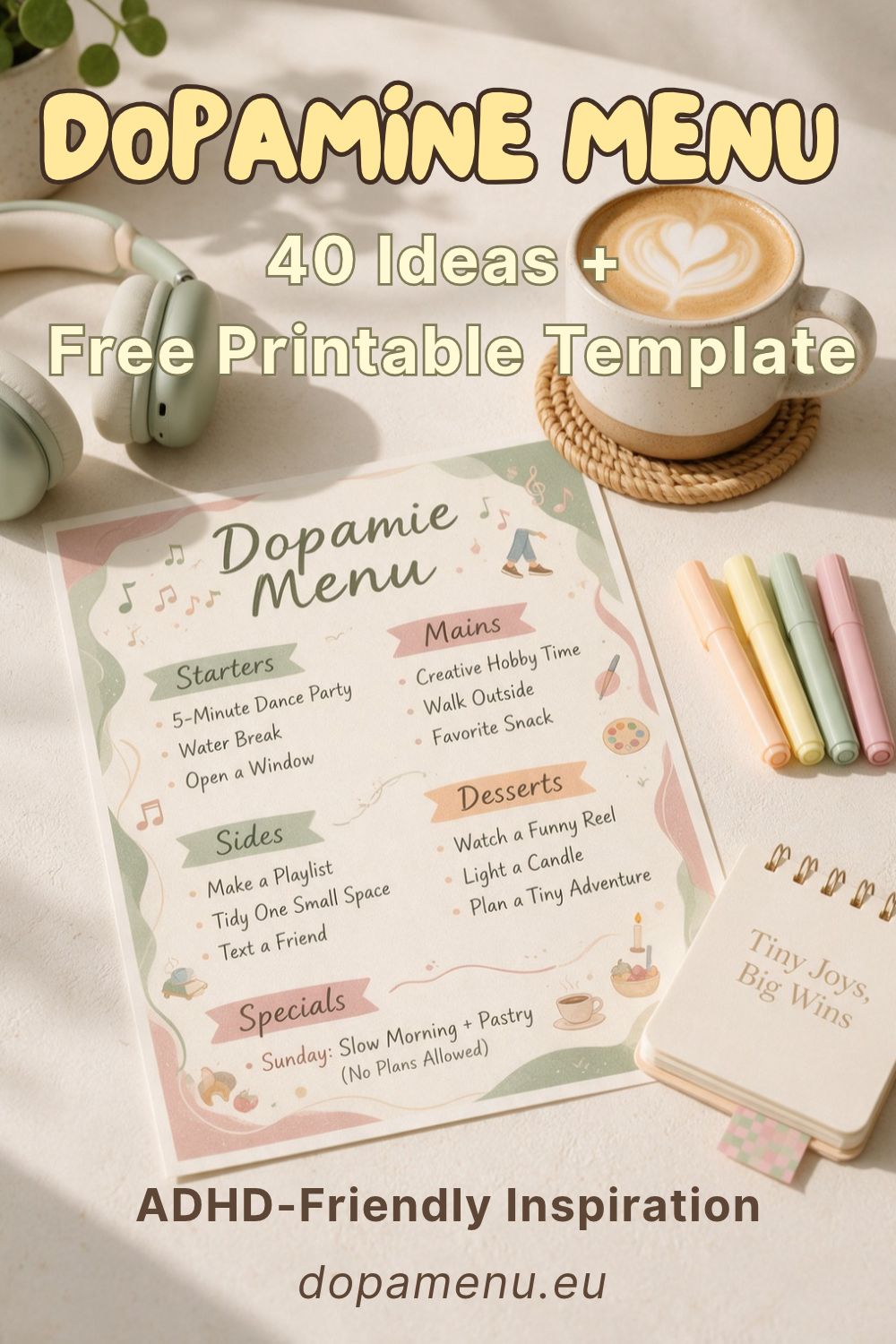
Creating an ADHD-friendly environment doesn’t require a celebrity budget. Sometimes, a few small changes and a personal collection of dopamine menu ideas can make everyday life feel more enjoyable.
2. Fun and advocacy can coexist
Important conversations don’t always have to happen in serious-looking rooms.
Play, joy, creativity, and shared experiences can help build community.
The summit showed one possible way of combining education with activities people genuinely enjoy.
We shouldn’t confuse having fun with not taking ADHD seriously.
You don’t need a glamorous event to experience that kind of playful energy. Here are 75+ ADHD-friendly dopamine menu examples for bringing more creativity, connection, and enjoyment into everyday life.
3. Personal experience matters, but evidence matters too
When someone shares a relatable ADHD story, it can help another person feel less alone.
But ADHD doesn’t look identical for everyone.
Good advocacy combines personal experience with credible information and acknowledges uncertainty.
Creators don’t need to become medical experts.
They do need to know when to direct their audiences toward qualified professionals and reliable resources.
4. Representation should extend beyond celebrity culture
Celebrity advocacy can open doors.
But long-term progress also depends on accessible diagnosis, education, appropriate treatment, workplace accommodations, and everyday community support.
Those issues don’t always make visually exciting social media content.
They still deserve attention.
5. You can create your own version of ADHD community
Here’s the part I hope we all remember after the summit disappears from our feeds.
You don’t need a celebrity invitation to build connection.
Maybe your version of an ADHD gathering is meeting another neurodivergent friend for coffee.
Maybe it’s a virtual body-doubling session, a creative afternoon, a small support group, or simply having an honest conversation about why everyday tasks sometimes feel so difficult.
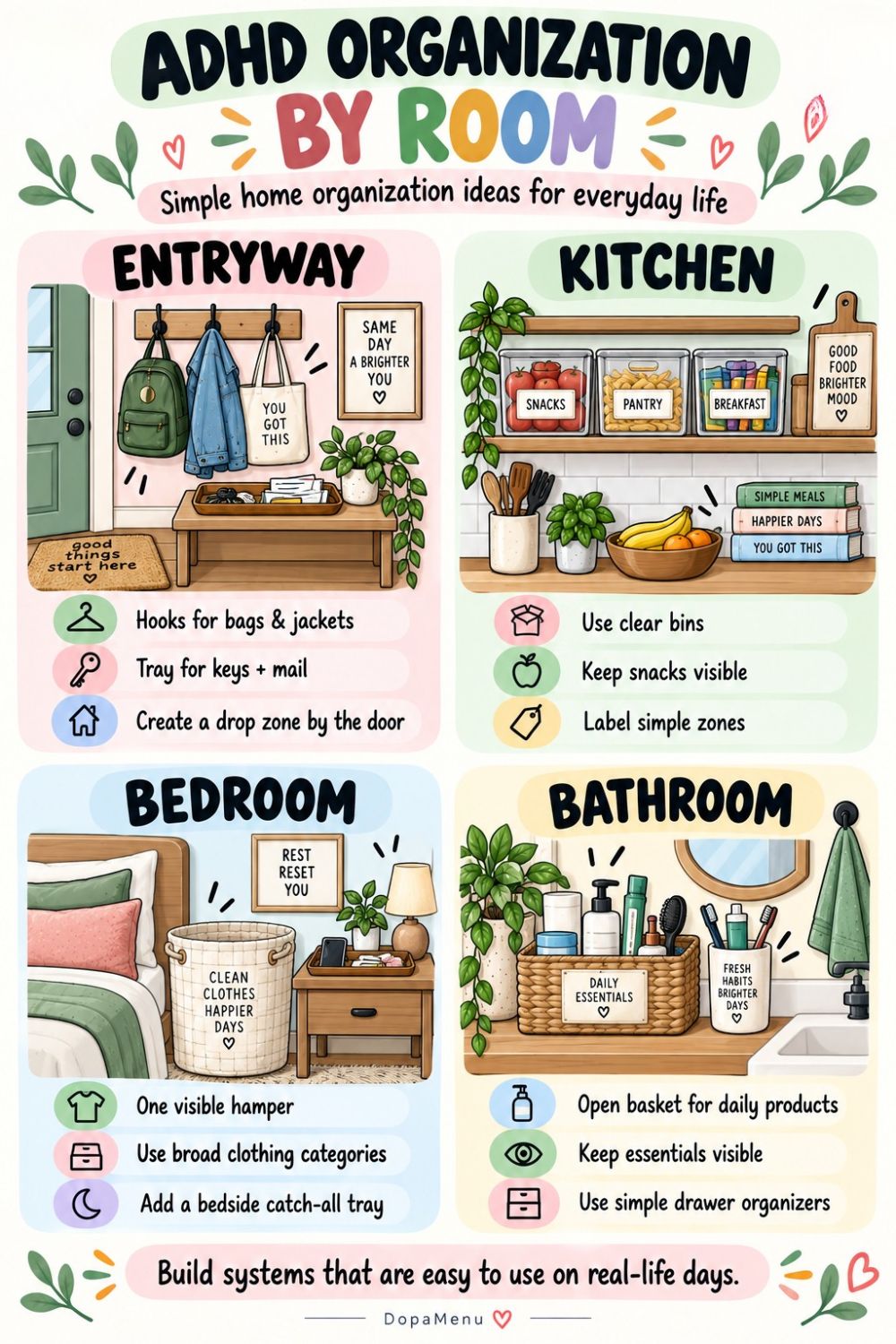
Maybe it’s creating a comfortable space at home where you can work, recharge, and enjoy your interests without constantly fighting your own brain.
A meaningful ADHD community doesn’t have to be exclusive, expensive, or Instagram-worthy.
Sometimes it starts with just two people understanding each other.
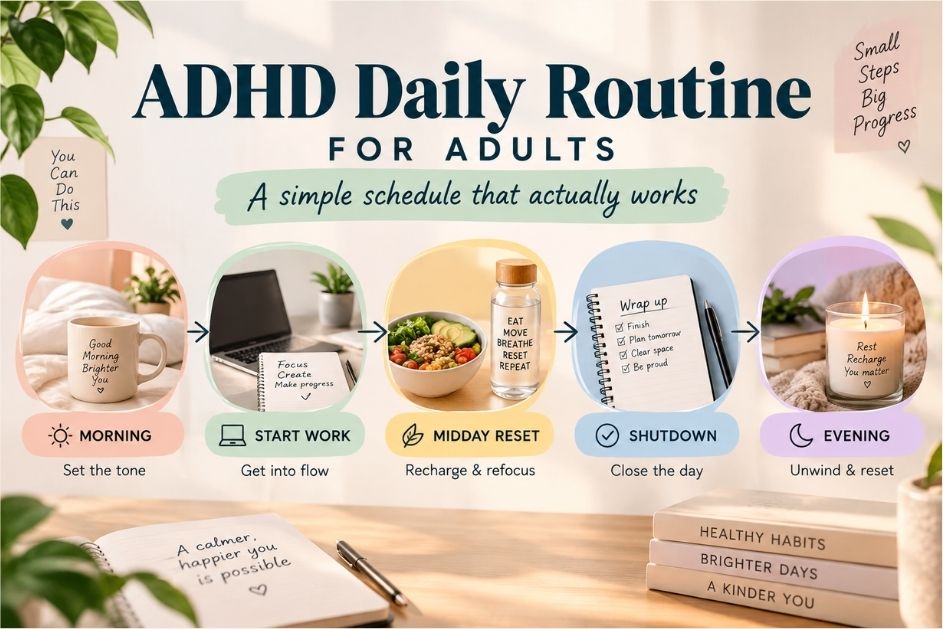
And beyond community events, creating an ADHD-friendly daily routine can help you build a more supportive environment in your everyday life.
So, was Paris Hilton’s ADHD Summit a good thing?
Overall, I think it was a positive initiative.
Paris used her visibility, connections, resources, and personal experience to bring attention to ADHD in a way that reached far beyond the usual advocacy spaces.
She also brought qualified professionals into the conversation, rather than relying exclusively on celebrity experiences.
That’s valuable.
At the same time, it’s completely reasonable to discuss representation, commercial partnerships, and the limitations of an exclusive influencer gathering.
We can appreciate what Paris is doing without treating every aspect of the event as beyond criticism.
And we can acknowledge people’s disappointment about not attending without turning that disappointment into a judgment of their worth.
For me, that’s the biggest takeaway.
The ADHD community is much bigger than one event, one guest list, or one famous person.
If UNSTOPPABLE inspires more conversations, better information, and more supportive environments, that’s something worth celebrating.
But the community-building doesn’t end when the pink decorations come down.
In many ways, that’s where it begins.
Frequently asked questions
When was Paris Hilton’s ADHD Summit?
The UNSTOPPABLE ADHD Creator Summit took place on October 15, 2026, during ADHD Awareness Month.
Where was the ADHD Summit held?
It was held at Paris Hilton’s Los Angeles home, known as Slivington Manor.
Was the Paris Hilton ADHD Summit open to the public?
No. It was an invitation-only event primarily designed for neurodivergent creators, advocates, experts, and other invited guests.
Who organized the event?
The summit was produced through Paris Hilton’s nonprofit, 11:11 Media Impact, with Understood.org as educational partner and Loop Earplugs as presenting sponsor.
Will there be another Paris Hilton ADHD Summit?
In an October 23, 2026 interview with Fast Company, Paris expressed enthusiasm about holding a bigger event the following year. However, an official 2027 date has not been confirmed.
What was the main purpose of the summit?
The aim was to raise ADHD awareness, help creators learn from experts, encourage responsible conversations about neurodivergence, and build connections.
Was there controversy surrounding the event?
Some community commentary has focused on exclusivity, representation, the emotions associated with not receiving an invitation, and the limitations of describing ADHD as a superpower. These discussions don’t necessarily negate the event’s positive aims.
Want to create your own little ADHD-friendly experience? Start with our free printable dopamine menu template and discover simple ways to make everyday life feel more supportive, creative, and enjoyable. No exclusive invitation required. 💗
Final thought from Dopamenu: You don’t have to be unstoppable every day to deserve understanding, support, and a place in the ADHD community.
Sources & Further Reading
This article is based on official event announcements, independent media coverage, and community discussions. It was written from an independent editorial perspective; Dopamenu was not affiliated with or present at the event.
- Understood.org (October 5, 2026). Paris Hilton to Host UNSTOPPABLE, a First-of-Its-Kind ADHD Creator Summit. Official announcement detailing the event’s purpose, organizers, educational programming, speakers, and partnerships.
- Fast Company – Jared Lindzon (October 23, 2026). Inside Paris Hilton’s House Party for Celebrities and Creators With ADHD. Independent reporting on the summit, including attendee experiences, event activities, and Paris Hilton’s approach to ADHD advocacy.
- Net Influencer (2026). Paris Hilton Filled Her House With 200 ADHD Creators to Change What Your Feed Says About ADHD. Coverage exploring the event’s creator-focused approach and its potential impact on ADHD-related social media conversations.
- I Have ADHD Podcast – Kristen Carder (November 3, 2026). Episode 452: Paris Hilton Didn’t Invite Me. I Have Thoughts.. A personal discussion of FOMO, rejection sensitivity, representation, privilege, and the debate around describing ADHD as a superpower.
Editorial note: This article includes personal reflections and commentary. Opinions expressed are those of Dopamenu and do not represent the event organizers or sponsors.