25 Easy Dopamine Snacks for ADHD: Sweet, Crunchy & No-Prep Ideas
Ever walk into the kitchen because you want a snack, open the fridge, and suddenly forget what you were looking for?
Or maybe you know exactly what you want: something crunchy, sweet, salty, comforting, or just satisfying enough to make your afternoon a little better.
But actually preparing food? That’s another story.
I know this feeling very well.
When I’m hyperfocused on writing or working on a creative project, I can easily push eating to the bottom of my priority list. Then I suddenly realize I’m hungry, tired, and absolutely not in the mood to make decisions.
That’s why I started collecting my favorite dopamine snacks.
Not because they magically increase dopamine, but because they’re enjoyable, convenient, and easy to choose when my brain already has enough going on.
In this guide, you’ll find:
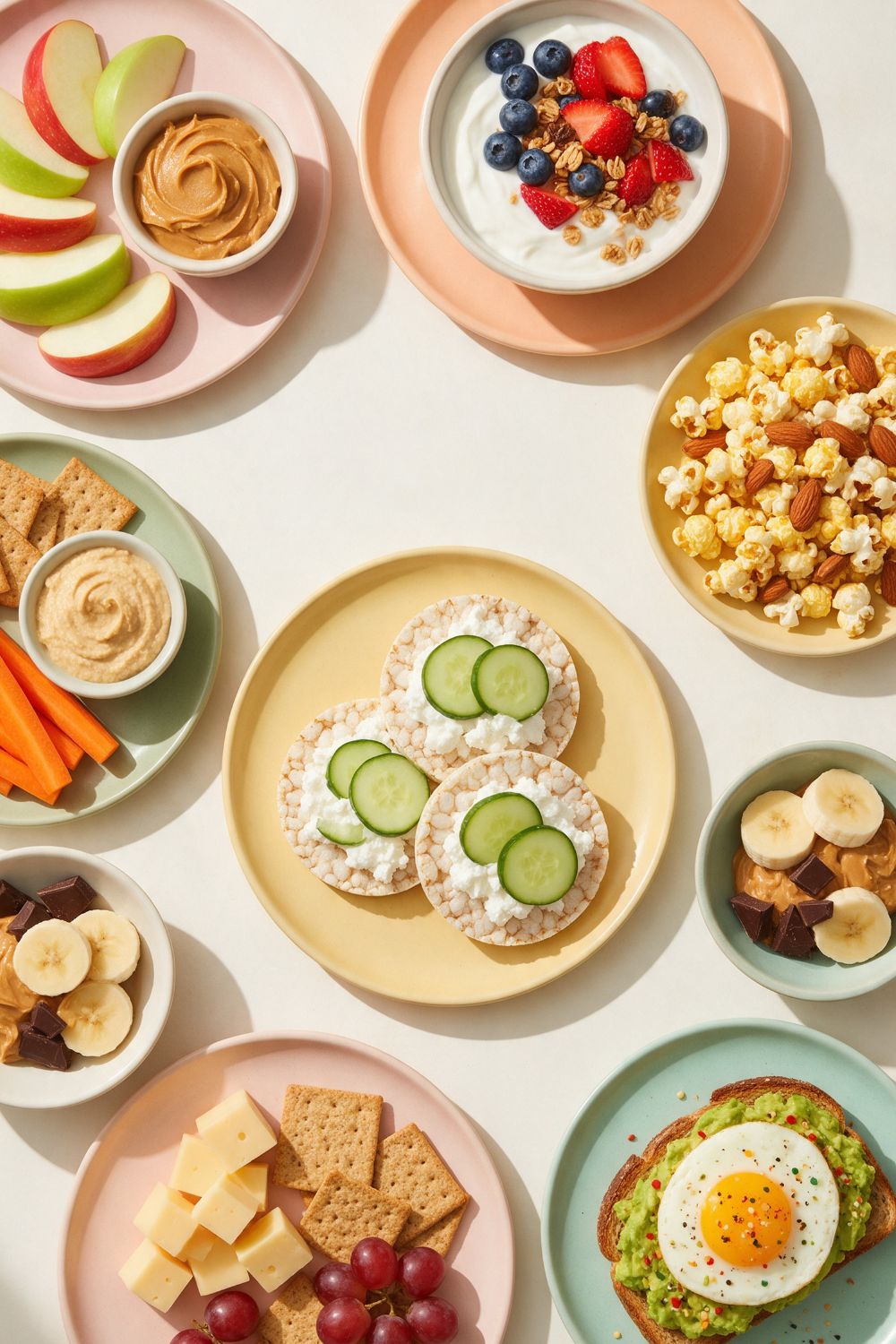
- 25 easy dopamine snack ideas
- Sweet, salty, crunchy, and high-protein options
- No-prep snacks for low-energy days
- Simple ADHD-friendly food combinations
- A snack decision chart
- Tips for building your own personal dopamine snack menu
You don’t need a complicated diet or another perfect routine.
Sometimes you just need an apple, peanut butter, and a snack idea you don’t have to think about.
What Are Dopamine Snacks?
A dopamine snack is an informal term for a quick, enjoyable snack that feels satisfying and easy to eat.
Some people use the phrase for foods associated with dopamine production, while others use it to describe snacks that offer sensory enjoyment, comfort, or convenience.
Here at Dopamenu, I use it in a practical way:
Dopamine snacks are pre-decided food options that make eating easier and more enjoyable, especially when motivation and executive function are running low.
They might include:
- Something crunchy and salty
- A sweet snack with fruit
- A protein-rich combination
- A convenient no-cook food
- A comforting treat you genuinely enjoy
Dopamine is involved in motivation and reward-related processes, but eating a particular snack doesn’t guarantee an instant increase in brain dopamine.
And food isn’t a treatment for ADHD.
The real benefit of keeping a snack menu is much simpler: you already have a few options ready when hunger, decision fatigue, or sensory preferences make food choices feel difficult.
Best Dopamine Snacks: Quick Decision Guide
Don’t want to scroll through 25 ideas?
Start here.
| If you want… | Try this | Prep time |
|---|---|---|
| Something sweet | Greek yogurt + berries | 2 minutes |
| Sweet and crunchy | Apple + peanut butter | 2 minutes |
| Something salty | Crackers + hummus | 2 minutes |
| Extra crunch | Roasted edamame | No prep |
| Something creamy | Cottage cheese + grapes | 2 minutes |
| A cold treat | Frozen yogurt bark | Make ahead |
| More protein | Boiled eggs + fruit | No prep if prepared |
| Something chocolatey | Dark chocolate + almonds | No prep |
| Almost no effort | Banana + peanut butter | 1 minute |
| Something meal-like | Tuna + rice cakes | 3 minutes |
My favorite ADHD-friendly rule: Pick one sweet snack, one salty snack, and one emergency snack.
You don’t have to keep twenty-five different ingredients in your kitchen.
25 Easy Dopamine Snack Ideas
These snack ideas are organized by flavor, texture, and preparation effort.
They’re not ranked by dopamine content or guaranteed health effects.
Choose the foods that fit your appetite, preferences, nutritional needs, and available energy.
Sweet Dopamine Snacks
Sometimes you want something sweet, but you don’t feel like baking or preparing a complicated dessert.
These combinations are easy to assemble and flexible enough to customize.
1. Greek Yogurt + Berries
Combine Greek yogurt with blueberries, strawberries, or raspberries.
Add a little honey if you enjoy a sweeter flavor.
Why I like it: Creamy, refreshing, and almost no preparation.
2. Banana + Peanut Butter
Slice a banana and add peanut butter.
Or skip the slicing and enjoy them separately.
ADHD shortcut: Keep bananas somewhere visible so you remember they’re there.
3. Apple + Almond Butter
A sweet, crunchy apple paired with creamy almond butter.
Use peanut butter or sunflower seed butter if you prefer.
Best for: Sweet and crunchy cravings.
4. Cottage Cheese + Grapes
Combine cottage cheese with fresh grapes for a creamy and refreshing snack.
You can substitute berries, peaches, or other fruit you already have.
5. Dark Chocolate + Strawberries
A few pieces of dark chocolate with fresh strawberries make an easy dessert-like snack.
You don’t need to melt chocolate or make anything elaborate.
Sometimes the simple version is enough.
6. Yogurt + Banana + Granola
Combine yogurt, banana slices, and crunchy granola.
This is one of my favorite combinations because it offers creamy, soft, and crunchy textures in a single bowl.
7. Peanut Butter Oatmeal
Prepare a small bowl of oatmeal and stir in peanut butter.
Add cinnamon or fruit if you like.
Best for: When you want something warm and comforting.
Crunchy Dopamine Snacks
If texture matters as much as flavor, these snacks might be especially satisfying.
8. Popcorn + Almonds
Combine plain or lightly seasoned popcorn with almonds.
The popcorn adds light crunch, while almonds contribute protein and fats.
Shortcut: Use ready-to-eat popcorn.
9. Whole-Grain Crackers + Hummus
A simple combination with a satisfying crunchy and creamy contrast.
Add cucumber or bell pepper slices if you have them.
10. Rice Cakes + Cottage Cheese
Spread cottage cheese over rice cakes.
Try adding cucumber slices or everything bagel seasoning.
Eat right away to keep the rice cakes crisp.
11. Roasted Chickpeas
Crispy roasted chickpeas can be a convenient savory snack.
Choose a store-bought version or prepare your own when you have the energy.
12. Carrots + Hummus
Crunchy carrots paired with creamy hummus.
Baby carrots make this almost completely prep-free.
13. Cheese + Crispbread
A simple snack with a nice contrast between creamy or firm cheese and crispy crackers.
Add apple slices if you want something sweet alongside it.
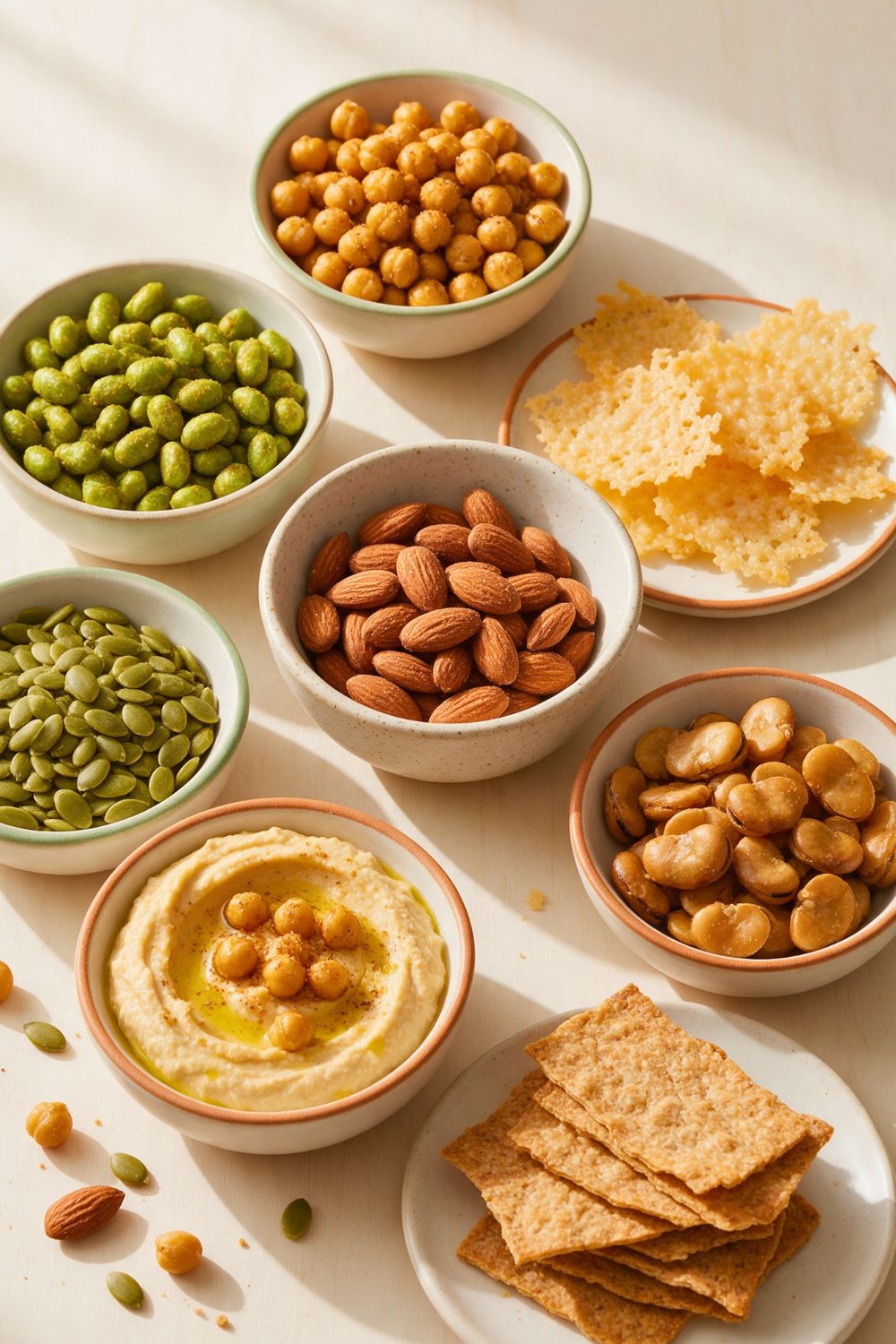
14. Dry Roasted Edamame
Dry roasted edamame offers a particularly firm, crunchy texture.
It’s a convenient shelf-stable option if you enjoy salty snacks.
For more crunchy snack ideas, explore my 20 high-protein crunchy snacks.
Savory and More Filling Dopamine Snacks
Sometimes you’re hungry enough that a tiny snack won’t be satisfying.
These options are closer to mini meals.
15. Avocado + Egg Toast
Toast a slice of bread and top it with mashed avocado and a fully cooked egg.
Add salt, pepper, or your favorite seasoning.
Shortcut: Use pre-boiled eggs.
16. Tuna + Rice Cakes
Combine canned tuna with a little mayonnaise or Greek yogurt.
Serve on crunchy rice cakes.
This is a convenient option when you want something more substantial.
17. Edamame + Sea Salt
Heat frozen edamame according to package instructions and add a little salt.
Unlike dry roasted edamame, this version is softer but still enjoyable if you like a firm bite.
18. Turkey + Cheese Roll-Ups
Roll slices of cooked turkey and cheese together.
Add crackers or fruit if you’d like a larger snack.
19. Hummus + Pita + Cucumber
Combine hummus, pita bread, and sliced cucumber.
You can serve everything separately on a plate without creating a formal recipe.
20. Egg + Whole-Grain Toast
A boiled or scrambled egg with toast.
Simple, familiar, and easy to adjust.
If you need more meal-like options, see my no-cook meals for ADHD days.
Almost-No-Energy Dopamine Snacks
These are for the days when even making a snack feels ambitious.
The goal is to make eating accessible.
21. Cheese + Crackers
No cooking and almost no assembly.
Add fruit if you have it.
22. Mixed Nuts + Dried Fruit
An easy combination to store in your pantry or bag.
Choose ingredients you enjoy and check for allergens.
23. Protein Bar + Fruit
A convenient option for busy days.
Protein content varies by product, so read the label if that’s important to you.
24. Ready-to-Drink Smoothie + Crackers
Useful when you’re not in the mood to prepare anything.
Choose a smoothie you enjoy and add crackers if you want something to chew.
25. Greek Yogurt + Ready-to-Eat Cereal
Pour a little cereal over Greek yogurt.
That’s it.
You have a creamy, crunchy snack without cooking or chopping.
Remember: You don’t need to make a beautiful snack plate every time you eat.
Food that is accessible, satisfying, and appropriate for your needs is worth having.
Why Do I Keep Reaching for Snacks With ADHD?
This is actually one of the reasons I became interested in dopamine and food in the first place.
I noticed a pattern.
I’d become completely absorbed in work.
I’d realize I was getting hungry.
Then I’d tell myself:
I’ll just finish this first.
Half an hour would pass. Sometimes much longer.
Eventually, I’d walk into the kitchen already tired and hungry.
And suddenly, choosing food felt like an enormous task.
For a while, one of my go-to combinations was crackers, peanut butter, and blueberries.
It was easy, familiar, and satisfying.
But if one ingredient was missing?
My brain suddenly had to make a whole new decision.
Should I make something different? Do I even want that? What ingredients do I have?
That’s when I realized something important:
For me, the problem wasn’t always knowing what to eat. It was having to decide what to eat when I had the least capacity to make decisions.
Creating a short snack menu helped.
Instead of relying on my tired, hungry self to invent a meal, I could choose from options I’d already picked.
I still forget sometimes.
But at least I have a starting point.
ADHD, Sensory Preferences, and Crunchy Food
Some people with ADHD notice that certain textures are particularly enjoyable or unpleasant.
For me, crunchy food can be especially satisfying.
Apple slices with peanut butter.
Popcorn.
Crackers with something creamy.
Roasted chickpeas.
Part of the appeal is the sensory experience: the sound, texture, and feeling of chewing something crisp.
Research suggests sensory processing differences can occur more frequently in people with ADHD.
However, this doesn’t mean everyone with ADHD craves crunchy food, or that preferring crunchy snacks indicates ADHD.
And while eating enjoyable food involves complex reward processes, crunchiness isn’t a proven way to directly boost dopamine.
I find it more useful to treat sensory preferences as information.
If you enjoy crunchy foods, keep some available.
If you prefer creamy, cold, soft, or warm foods, build your snack menu around those instead.
Your preferences matter.
How to Build Your Own 5-Snack Dopamine Menu
You don’t need a giant list.
In fact, too many choices can make the process harder.
Here’s my favorite way to build a small, practical snack menu.
Step 1: Choose one sweet snack
For example, Greek yogurt and berries.
Step 2: Choose one salty snack
For example, crackers and hummus.
Step 3: Choose one crunchy snack
Maybe roasted edamame or popcorn and nuts.
Step 4: Choose one more filling option
Egg toast or tuna and crackers.
Step 5: Choose one emergency snack
Something that requires no cooking and is easy to store.
A protein bar, nuts, or another shelf-stable option.
Your example dopamine snack menu
| Category | Snack |
|---|---|
| Sweet | Yogurt + berries |
| Salty | Crackers + hummus |
| Crunchy | Popcorn + almonds |
| Filling | Egg + avocado toast |
| Emergency | Protein bar + fruit |
Save this list on your phone, write it on a sticky note, or put it on your refrigerator.
You can also use my free dopamine menu template to organize your favorite options.
How to Make Snacking Easier With ADHD
A snack menu works best when the ingredients are actually available.
And visible.
I’ve learned that sometimes the environment can do more work than motivation.
Keep your favorite foods where you’ll notice them
Put fruit somewhere visible.
Keep shelf-stable snacks in a small basket.
Move yogurt and other refrigerated options toward the front of the fridge.
Prepare less, not more
You don’t need a full Sunday meal prep routine.
Try preparing one thing.
Wash fruit.
Portion nuts into containers.
Boil a few eggs.
Save three favorite snack combinations on your phone.
Keep backup options
If you run out of blueberries, you can still eat yogurt.
If you don’t have crackers, hummus can go with toast or vegetables.
Try building flexible combinations instead of recipes that only work when every ingredient is available.
Make room for foods you genuinely enjoy
A snack doesn’t have to be the most nutritionally optimized choice to be worthwhile.
You can enjoy chocolate, popcorn, crackers, or something sweet.
Balanced eating is about your overall patterns, not making every individual snack perfect.
Cheap Dopamine Snack Ideas
Dopamine-friendly eating doesn’t have to be expensive.
Some of the easiest budget-friendly staples include oats, bananas, peanut butter, eggs, popcorn, bread, beans, and yogurt.
Try these combinations:
| Budget-friendly combo | Why it’s practical |
|---|---|
| Banana + peanut butter | No cooking |
| Oatmeal + milk | Pantry-friendly |
| Popcorn + peanuts | Crunchy and easy to store |
| Egg + toast | Familiar and filling |
| Crackers + hummus | Minimal preparation |
| Apple + peanut butter | Portable and simple |
You can also save money by choosing ingredients that work across multiple meals.
For example, yogurt can be breakfast, a snack, a dip ingredient, or part of a smoothie.
What If You Want a Snack but Aren’t Sure You’re Hungry?
Sometimes I want to snack because I’m hungry.
Sometimes I want a break.
Sometimes I want something crunchy.
Sometimes I’m bored or need a change of activity.
Those experiences can overlap.
I don’t think the answer is to shame yourself for wanting food.
Instead, I try to notice what sounds helpful.
If I’m hungry, I eat.
If I’m not sure, I might still choose a snack, or try a different activity from my dopamine menu.
That could mean listening to music, stepping outside, stretching, or changing rooms.
You don’t have to earn food by being hungry enough, and you don’t have to turn every craving into a productivity problem.
For non-food options, explore my 40 dopamine menu ideas.
Dopamine Snacks vs. Dopamine Foods: What’s the Difference?
These two terms often appear together, but I use them differently.
Dopamine foods are foods discussed in relation to nutrients involved in normal dopamine synthesis and brain function.
Dopamine snacks are quick, enjoyable snack ideas that make everyday eating easier.
Neither term describes a clinically established ADHD treatment.
You can learn more about the nutritional science in my 50 dopamine-rich foods list.
And if you want a complete week of meal ideas, explore my 7-day dopamine diet meal plan.
Get the Dopamine Snack Guide
Want to keep your favorite combinations somewhere easy to find?
Use the Dopamine Snack Guide to create a short visual list of snacks you actually enjoy.
Keep it on your phone, refrigerator, or inside your planner.
You can organize snacks by:
- Sweet
- Salty
- Crunchy
- High-protein
- No-prep
- More filling
Get the Dopamine Snack Guide
A snack guide doesn’t need to be beautiful or complicated to work.
It just needs to help you make the next food decision.
Dopamine Snacks FAQ
What are dopamine snacks?
Dopamine snacks is an informal term for enjoyable, convenient snacks. Here at Dopamenu, it refers to pre-decided food options that help reduce food-related decision-making and make everyday eating easier.
What are the best dopamine snacks for ADHD?
Convenient options include Greek yogurt with berries, banana with peanut butter, cheese and crackers, eggs with toast, hummus and vegetables, or mixed nuts with fruit. The best choice depends on individual preferences and nutritional needs.
Do dopamine snacks actually increase dopamine?
There is no evidence that a specific snack reliably creates an immediate, clinically meaningful increase in brain dopamine. Foods can provide nutrients involved in normal brain function, but dopamine regulation is more complicated than eating a particular ingredient.
Why do some people with ADHD like crunchy food?
Crunchy textures can provide enjoyable sensory input through sound, texture, and chewing. Some people with ADHD have sensory processing differences, but preferences vary and craving crunchy foods is not a diagnostic sign.
What are easy no-prep ADHD snacks?
Try yogurt, bananas, cheese and crackers, nuts, protein bars, ready-to-eat fruit, or roasted edamame. Keeping reliable foods visible and accessible may reduce preparation demands.
What are cheap dopamine snacks?
Budget-friendly combinations include oatmeal with peanut butter, popcorn with peanuts, bananas with nut butter, eggs with toast, and crackers with hummus.
Can dopamine snacks replace meals?
Snacks can be part of an overall balanced eating pattern. If you’re very hungry, a more substantial meal or a larger snack combination may be more satisfying and better meet your needs.
Is there a dopamine snack list I can save?
Yes. You can build your own snack menu using the ideas in this guide and save your favorites as a phone note, printed list, or visual snack chart.
Are dopamine snacks a treatment for ADHD?
No. Snack planning can be a practical everyday support strategy, but it doesn’t replace ADHD assessment, treatment, or individualized nutrition advice.
Final Thoughts: Make Your Next Snack Decision Easier
I used to think the solution to difficult food days was better discipline.
Now I prefer building better defaults.
Keep food you enjoy around.
Make your favorites easy to see.
Choose a few combinations before you’re hungry.
And have a backup for the days when nothing goes according to plan.
You don’t need to create the perfect snack routine.
You just need a few options that work for your real life.
For me, that’s what dopamine-friendly eating is all about.
Not optimizing every bite.
Not chasing a guaranteed dopamine boost.
Just making everyday nourishment a little more manageable, enjoyable, and less overwhelming.
Start with five snacks. Save them somewhere visible. Change them whenever you need to.
Disclaimer: This article provides general nutrition information and personal experiences. It is not medical advice or a substitute for individualized ADHD or nutritional treatment.