15 Cozy Green Bedroom Ideas to Create Your Own Sensory-Friendly Sanctuary
Soft textures, calming greens, natural light, and little everyday comforts — here’s how to turn your bedroom into a space that truly feels good to be in.
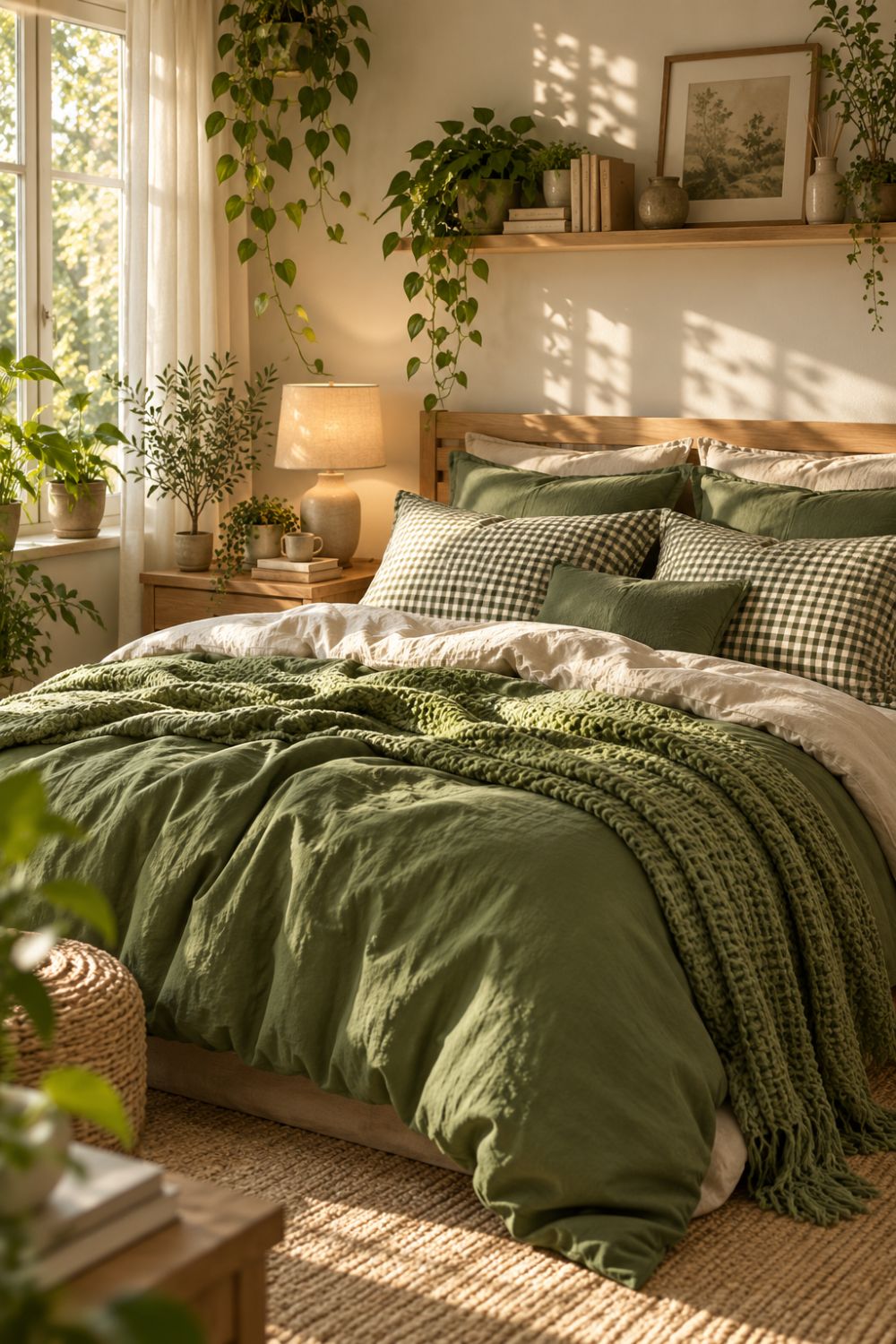
There’s something incredibly comforting about a cozy green bedroom. Maybe it’s the soft sage bedding, the sunlight filtering through leafy plants, or the feeling of sinking into your favorite blanket after a long day.
Lately, I’ve been loving the idea of creating a bedroom that feels less like a perfectly styled space and more like a personal sanctuary.
Because your bedroom doesn’t have to be just a place where you sleep.
It can be where you read your favorite book, recover from an overwhelming day, journal, listen to music, enjoy a slow morning, or simply exist without feeling like you should be doing something productive.
I spend a lot of time at home, and I’ve come to realize how much my surroundings influence my everyday comfort. The textures I touch, the light coming through the windows, the things I see when I wake up — all those little details matter.
And as someone who appreciates both dopamine-friendly living and sensory comfort, I love the idea that decorating can be about more than aesthetics.
That’s what makes the green bedroom aesthetic so appealing.
It brings together nature-inspired colors, soft textures, warm lighting, and personal details to create a room that feels both beautiful and comfortable.
Let’s explore how to bring this look into your own bedroom — and make it work for your senses, your routines, and your everyday happiness.
Why Are Cozy Green Bedrooms So Popular?
Green bedrooms are having a moment, especially on Pinterest.
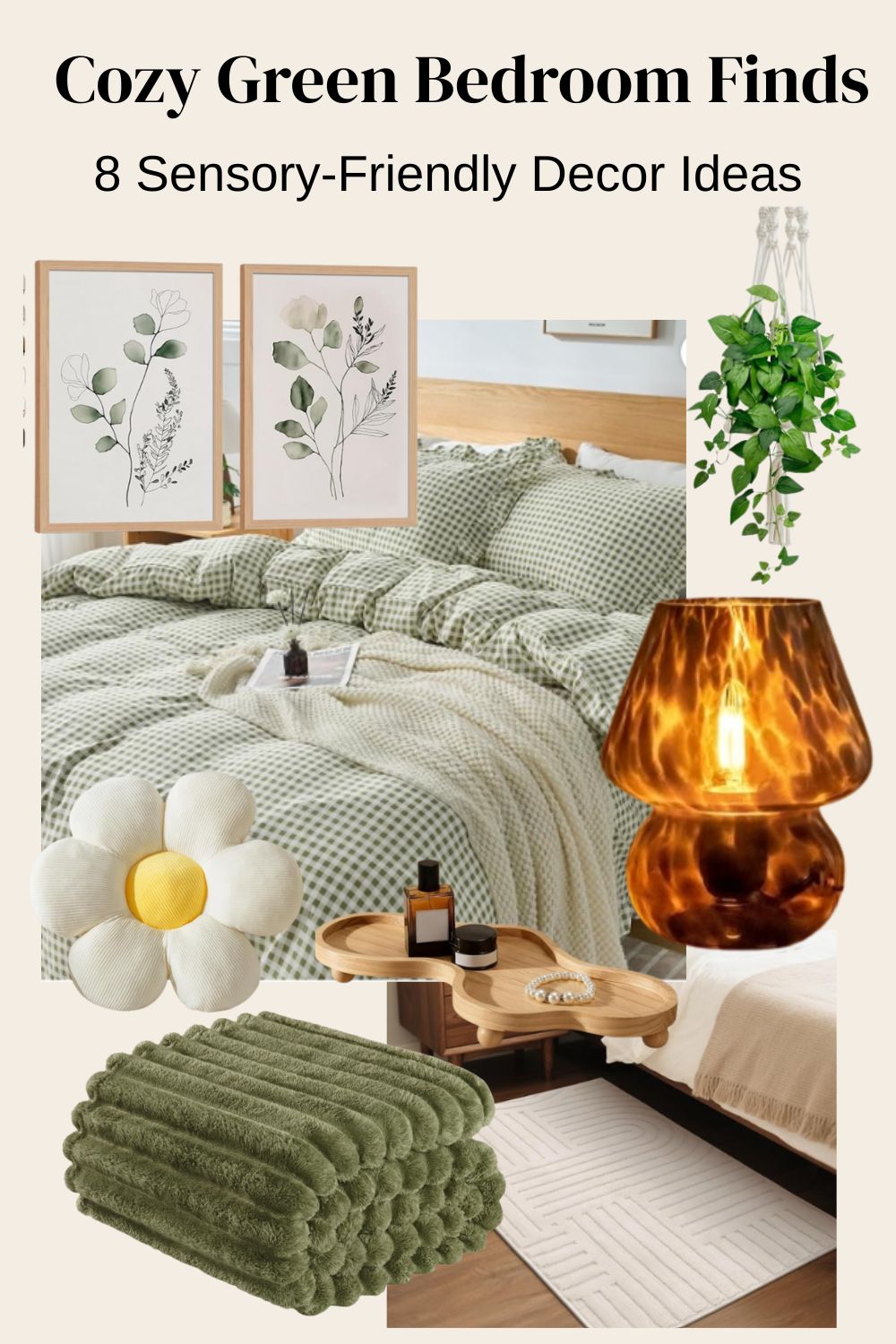
From olive green duvets and sage gingham pillows to hanging plants and sunlit reading corners, the greenery bedroom trend is all about bringing the peaceful, comforting feeling of nature indoors.
But I think there’s something deeper behind its appeal.
A cozy bedroom isn’t necessarily about owning beautiful furniture. It’s about creating an environment where you actually enjoy spending time.
And green works beautifully with that idea.
Unlike some of the brighter, bolder colors often associated with dopamine decor, muted greens can create a softer visual experience.
Think:
- Sage green for a light, airy, cottage-inspired bedroom.
- Olive green for a warm, earthy, lived-in atmosphere.
- Moss green for a cozy, nature-inspired space.
- Forest green for a deeper, more intimate look.
- Eucalyptus green for a soft, modern bedroom.
Paired with natural wood, creamy whites, warm beige, and comfortable fabrics, these colors help create a room that feels inviting without needing lots of decorations.
And here’s the best part: you don’t have to repaint your entire bedroom to participate in the trend.
Sometimes a new pillowcase, a soft green blanket, or a plant by the window is enough to change how the room feels.
Can Green Bedrooms Actually Help You Feel More Relaxed?
There’s a reason nature-inspired interiors are often associated with wellbeing.
Biophilic design is an approach to designing spaces that strengthens our connection with nature through elements like plants, natural materials, daylight, organic shapes, and views of greenery.
Research has found associations between exposure to natural environments and aspects of psychological wellbeing.
For example, a 2021 systematic review published in Environmental Research explored how green spaces may influence mental health through pathways including psychological restoration, physical activity, and reduced environmental stressors.
A 2025 systematic review in the Journal of Environmental Psychology also found evidence that exposure to natural environments may improve mood, although findings related to stress and cognitive performance were more mixed.
However, it’s important to distinguish between spending time in nature and decorating a room green.
Painting your bedroom sage green isn’t a scientifically proven treatment for stress, anxiety, or sensory overload.
And there’s no universal color that makes everyone feel calm.
What matters is how the environment feels to you.
If soft greens remind you of peaceful walks, gardens, or your favorite outdoor spaces, incorporating them into your bedroom might make the room feel more comforting.
And when you combine those colors with pleasant textures, thoughtful lighting, and less visual clutter, you can create a space that better supports your personal preferences.
That’s the approach I love most: not decorating according to a rigid set of rules, but designing for everyday comfort.
15 Cozy Green Bedroom Ideas for a Calming, Sensory-Friendly Space
These ideas combine the greenery bedroom aesthetic with sensory-friendly decorating principles.
You can choose whichever elements feel good to you. There’s no need to use all 15.
1. Start With Soft Sage Green Bedding
If you’re looking for the easiest way to introduce green into your bedroom, start with the bed.
Since your bedding occupies a large part of the room visually, changing its color can transform the overall atmosphere without requiring a full makeover.
Sage green is especially lovely because it feels light, natural, and easy to combine with neutral colors.
Try pairing sage bedding with:
- Cream or ivory pillowcases.
- Light oak or natural wood furniture.
- A soft beige throw.
- Botanical artwork.
- Warm white lighting.
For a slightly playful touch, choose sage green gingham or subtle floral patterns.
Sensory-friendly tip: Pay attention to how the bedding feels, not just how it looks. If certain fabrics feel scratchy, stiff, slippery, or uncomfortable, choose materials that work better for your skin.
2. Try Olive Green for a Cozy, Earthy Bedroom
While sage green creates a light and airy feeling, olive green offers something a little moodier.
I especially love olive green bedding with warm wooden furniture and cream-colored walls.
It creates that inviting, slow-living atmosphere where you can imagine spending a Sunday morning reading under the covers.
You don’t need much else to make the room look complete.
A simple olive green duvet, two matching pillows, and a natural wooden nightstand can already create a cohesive aesthetic.
For extra warmth, introduce terracotta, camel, oatmeal, or muted brown accents.
3. Add a Chunky Knit Blanket for Comfort
One of my favorite ways to make a bedroom feel cozy is by layering different textures.
A chunky knit blanket at the end of the bed instantly makes the space look more inviting.
It can also provide a pleasant tactile experience if you enjoy soft, textured fabrics.
Choose moss green, oatmeal, cream, or a deeper olive shade.
And remember that a blanket doesn’t have to look perfectly arranged.
Sometimes the slightly messy, lived-in look is exactly what makes a room feel comfortable.
Sensory-friendly tip: If chunky knits catch on your skin, feel too heavy, or create an unpleasant texture, try a smooth cotton throw or soft fleece blanket instead.
The best texture is the one you genuinely enjoy touching.
4. Bring Nature Indoors With Bedroom Plants
Plants are one of the most recognizable elements of the greenery bedroom aesthetic.
They add natural shapes, introduce more shades of green, and help a room feel connected to the outdoors.
Depending on the conditions in your bedroom, you might consider:
- A spider plant on a shelf.
- A trailing pothos in a hanging planter.
- A small peperomia on your nightstand.
- A parlor palm in a bright corner.
Before choosing a plant, check its lighting requirements, maintenance needs, and potential toxicity.
If you have pets, this is especially important. Pothos, for example, is toxic to cats and dogs.
And if caring for plants feels like another task on an already overwhelming to-do list?
Artificial plants are absolutely an option.
A sensory-friendly home should reduce unnecessary stress, not create more responsibilities.
You can also introduce nature through botanical prints, leafy patterns, or a beautiful view outside your window.
5. Let Natural Light Become Part of Your Decor
One of the most beautiful things about green bedrooms is how the colors change throughout the day.
Soft morning sunlight can make sage green look almost silvery, while warm evening light brings out the earthy tones in olive green.
If possible, arrange your bedroom to make the most of natural daylight.
Consider sheer curtains that soften direct sunlight without blocking it completely.
If bright light bothers you, adjustable blinds or layered curtains provide more control.
The goal isn’t to maximize brightness all the time.
It’s to give yourself control over how much light enters your space.
And when it’s time to sleep, blackout curtains or shades can help create a darker environment.
6. Replace Harsh Overhead Lighting With Warm, Layered Light
Lighting can completely change how a bedroom feels.
A room that looks comfortable during the day might feel surprisingly harsh under bright overhead lights at night.
Instead of relying on one strong light source, try creating several smaller pools of light.
For example:
- A warm bedside lamp.
- A dimmable reading light.
- Soft LED lighting behind a shelf.
- A small lamp near your favorite chair.
Adjustable lighting makes it easier to choose an atmosphere that suits your mood and activity.
You might prefer brighter light while reading and softer illumination while winding down.
For sleep, keep the room dark and minimize unnecessary light sources.
Sensory-friendly tip: If you’re sensitive to flickering lights, look for good-quality, low-flicker lighting options. You don’t need colorful LED strips or fairy lights if those feel distracting.
Decorating a small bedroom or a shared student space? My ADHD-friendly dorm room checklist includes practical ideas for sensory-friendly lighting, accessible storage, and creating a comfortable space for both studying and relaxing.
7. Create a Green Bedroom Reading Nook
Your bedroom doesn’t have to be reserved exclusively for sleeping.
If reading helps you relax, why not create a little space dedicated to it?
You don’t need a large room or an expensive armchair.
A comfortable chair beside a window, a small pillow, and a reading lamp might be enough.
Or perhaps your reading nook is simply one side of your bed, with a stack of books within reach.
Add a little greenery, a cozy blanket, and somewhere to place a cup of tea.
I love the idea of having a corner that doesn’t need to serve any productive purpose.
It’s simply there because you enjoy it.
Note: If you struggle with insomnia, sleep specialists often recommend keeping the bed primarily associated with sleep. A separate reading chair can offer the best of both worlds.
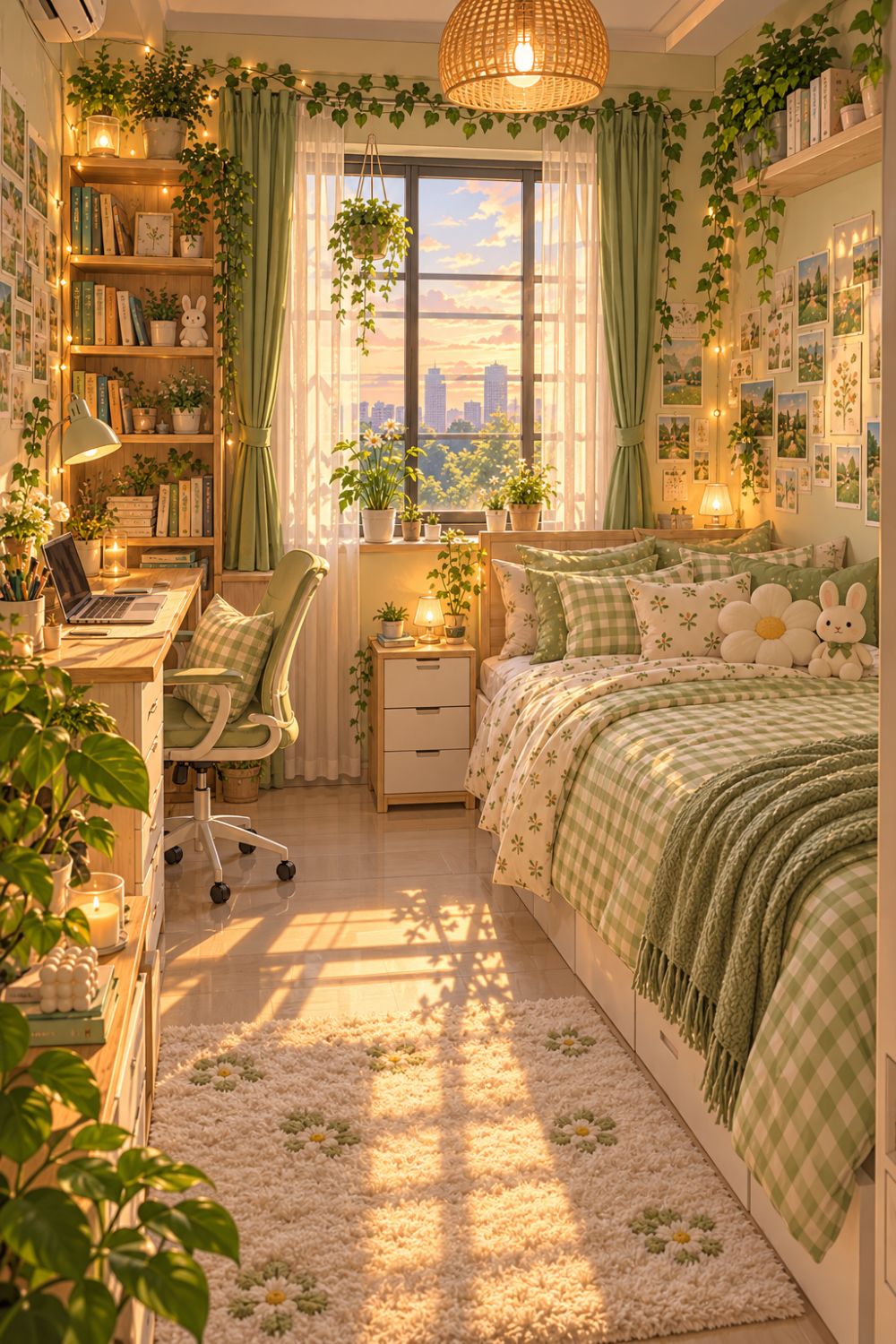
8. Use Botanical Prints Instead of Busy Wall Decor
If you like decorating your walls but don’t enjoy visual clutter, botanical prints can be a lovely compromise.
Try one larger framed print above your bed or a small collection of coordinated nature illustrations.
You could choose:
- Vintage botanical drawings.
- Pressed leaf artwork.
- Watercolor landscapes.
- Fern illustrations.
- Minimalist floral prints.
Choose frames in natural wood or a warm neutral color to keep the look cohesive.
The idea isn’t to make every wall empty.
It’s to create enough visual interest to make your space feel personal without overwhelming you.
9. Mix Green With Natural Wood and Warm Neutrals
One reason green bedrooms feel so inviting is that green works beautifully with natural materials.
Light oak gives sage green a fresh, airy appearance.
Walnut makes olive green feel richer and more sophisticated.
Rattan, linen, woven baskets, and wood accessories add subtle texture without requiring bright colors.
An easy color palette to try is:
Sage green + warm white + light oak + oatmeal beige.
For a moodier room:
Olive green + walnut brown + cream + muted terracotta.
And if you want something more playful:
Moss green + butter yellow + soft peach + vintage floral patterns.
These combinations help you create a cohesive room while still leaving space for your personality.
10. Introduce Gentle Patterns for Soft Dopamine Decor
Dopamine decor is often associated with bold colors, playful shapes, and maximalist interiors.
But what if your version of dopamine decor is quieter?
What if the things that make you happy are soft checkered pillows, tiny flowers, green blankets, and sunlight on your bedside table?
That’s just as valid.
I like to think of this as soft dopamine decor: decorating with things that bring you joy without necessarily creating a highly stimulating environment.
Some ideas include:
- Sage gingham pillowcases.
- Small floral bedding patterns.
- Scalloped pillow edges.
- A playful ceramic lamp.
- A handmade trinket dish.
- A favorite illustration in a pretty frame.
Instead of choosing things because they’re trendy, ask yourself:
Does looking at this make me happy?
Your answer matters more than any decorating rule.
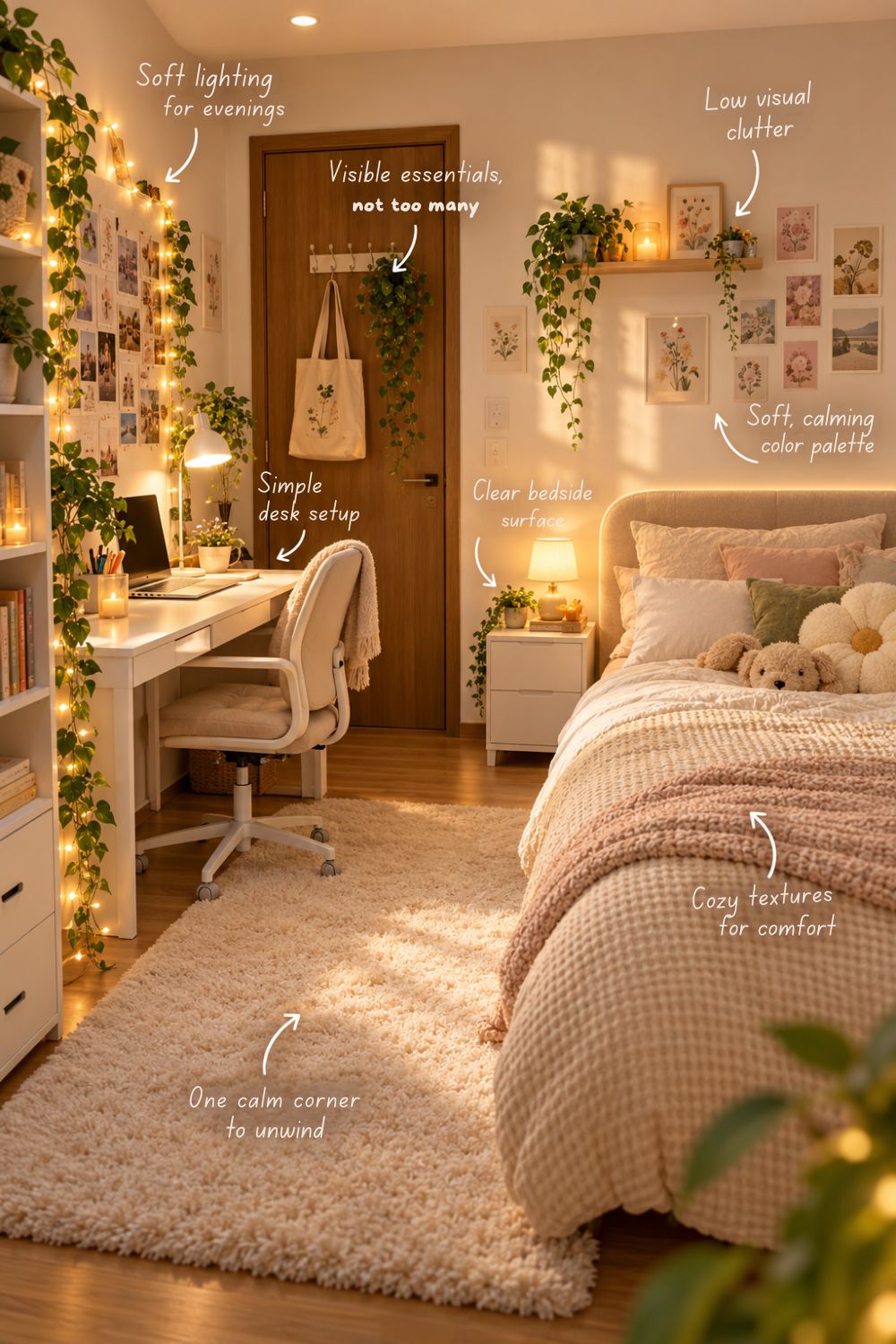
11. Keep Your Bedside Area Visually Simple
If you spend a lot of time in your bedroom, your nightstand can quickly become a collection of random objects.
Books, skincare products, chargers, hair ties, notebooks, and forgotten cups tend to accumulate.
For some people, seeing all these objects creates an overwhelming feeling.
But completely hiding everything isn’t always the answer either.
Especially if you have ADHD, keeping important things visible can make everyday routines easier.
The solution might be intentional visibility.
Instead of leaving everything scattered, create small zones:
- A tray for your everyday essentials.
- A little basket for chargers.
- A designated place for your current book.
- A small dish for jewelry.
- A drawer for items you don’t need to see.
Try keeping the things you use daily accessible while reducing unnecessary visual distractions.
A sensory-friendly space doesn’t have to be perfectly tidy.
It should simply feel manageable to you.
If you have ADHD, creating a calming bedroom doesn’t necessarily mean hiding everything away. Sometimes keeping everyday essentials visible makes your space much easier to use. I’ve shared more practical strategies in my ADHD organization guide, including how to reduce visual clutter without making important things disappear.
12. Choose Curtains and Rugs That Soften the Room
Sometimes sensory comfort comes from details you barely notice consciously.
Curtains, rugs, and upholstered furniture can make a room feel softer and less echoey.
If you find hard floors uncomfortable or dislike the sound of footsteps, a small bedside rug might make your mornings more pleasant.
Likewise, curtains can soften the visual appearance of a room while providing control over privacy and daylight.
For a green bedroom, consider natural-looking textiles in cream, beige, soft green, or warm gray.
If possible, choose materials that are easy to clean and comfortable to maintain.
Comfort shouldn’t come at the expense of creating another overwhelming cleaning routine.
13. Create a Little Sensory Comfort Station
This might be my favorite idea on the list.
Instead of thinking only about how your bedroom looks, think about what you might need when you feel tired, overstimulated, or emotionally drained.
Could you create a small basket or bedside area with things that help you feel comfortable?
Your personal comfort station might include:
- Your favorite soft blanket.
- Comfortable headphones.
- A soothing hand cream, if you enjoy scents.
- A journal or coloring book.
- A sleep mask.
- A favorite book.
- A small sensory object or fidget.
You don’t need to buy everything.
Start with what you already own and genuinely use.
The goal is to make comforting activities easier to access when you need them.
I love the idea that your bedroom can gently remind you that you deserve moments of rest, even when you haven’t finished everything on your to-do list.
14. Make Room for Slow Morning and Evening Rituals
A cozy bedroom can support more than sleep.
It can provide a welcoming setting for those little rituals that make everyday life feel more enjoyable.
Maybe you love opening the curtains and spending a few minutes in the morning sunlight.
Maybe your favorite evening ritual is reading a chapter of a book under a soft blanket.
Or perhaps you enjoy stretching, journaling, listening to a calming playlist, or simply resting after work.
Try designing your room around one or two activities you already enjoy.
Keep your book where you can see it.
Make space for your yoga mat if stretching feels good.
Place your journal beside a comfortable chair.
Good design can make enjoyable habits easier to start.
You don’t need a complicated wellness routine or an Instagram-worthy morning schedule.
Sometimes the most meaningful form of self-care is making your everyday environment a little easier and more pleasant to live in.
A cozy bedroom can make your evening feel more inviting, but your routine doesn’t need to be complicated. If bedtime often turns into another overwhelming to-do list, my low-dopamine evening routine offers simple ways to wind down without adding more pressure to your day.
15. Make Your Green Bedroom Feel Like You
It’s easy to fall in love with a beautifully styled bedroom on Pinterest.
But the most important part of creating your own sanctuary is remembering that inspiration doesn’t have to become a set of rules.
Maybe you love sage green but hate the feeling of linen.
Maybe you find hanging plants distracting.
Maybe you prefer a few colorful decorations, even in an otherwise neutral room.
Or perhaps you want your bed to be surrounded by books, photographs, and meaningful little objects.
That’s okay.
Your bedroom should reflect your needs and preferences, not someone else’s idea of calm.
The best sensory-friendly bedroom is the one that feels comfortable to the person living in it.
How to Make a Green Bedroom Sensory-Friendly
A sensory-friendly bedroom isn’t necessarily silent, minimalist, or completely free of stimulation.
It’s a space designed around your individual sensory preferences.
Some people feel more comfortable with very little visual input, while others enjoy a few familiar objects, cozy textures, and gentle background sounds.
Here are five areas worth considering.
| Sensory element | What to consider | Bedroom ideas |
|---|---|---|
| Sight | Brightness, colors, patterns, clutter | Muted green accents, dimmable lamps, organized surfaces |
| Touch | Fabric textures, temperature, pressure | Comfortable bedding, soft throws, supportive pillows |
| Sound | Background noise, echoes, external sounds | Curtains, rugs, optional white noise |
| Smell | Fragrance sensitivity, ventilation | Fresh air, fragrance-free products, optional gentle scents |
| Comfort | Personal routines and emotional associations | Favorite books, calming activities, meaningful decorations |
You might find that some types of stimulation feel wonderful while others are exhausting.
For example, you may love the visual appearance of plants but dislike strong floral scents.
Or perhaps you find a heavier blanket comforting but feel uncomfortable with textured pillowcases.
There’s no universal sensory-friendly formula.
Experiment with one change at a time, paying attention to how the room actually feels rather than how it photographs.
If you have ADHD, you might already know that your surroundings can influence how manageable everyday life feels. But sensory preferences are only one part of the picture. In my article about living with ADHD as an adult, I share more about the invisible challenges of daily routines, decision fatigue, and creating systems that work with your brain.
Low-Stimulation Bedroom vs. Dopamine Decor: Do You Have to Choose?
Not at all.
One of the things I find most interesting about dopamine-friendly decorating is that joy and calm aren’t opposites.
Dopamine decor is a popular design term, not a scientifically established method of increasing dopamine levels.
It’s generally used to describe decorating with colors, shapes, objects, and patterns that make you feel happy.
For some people, that means bright walls, colorful artwork, and playful furniture.
For others, it might mean a cozy green bedroom filled with natural textures and warm light.
The important difference is between stimulation you enjoy and stimulation that feels overwhelming.
You could create a visually peaceful bedroom with just a few carefully chosen details that make you smile.
Imagine an olive green duvet, creamy pillows, one whimsical lamp, and a framed illustration you absolutely love.
It’s calm, but it isn’t boring.
It’s personal, but it isn’t cluttered.
And it leaves room for the little pleasures that make your home feel like yours.
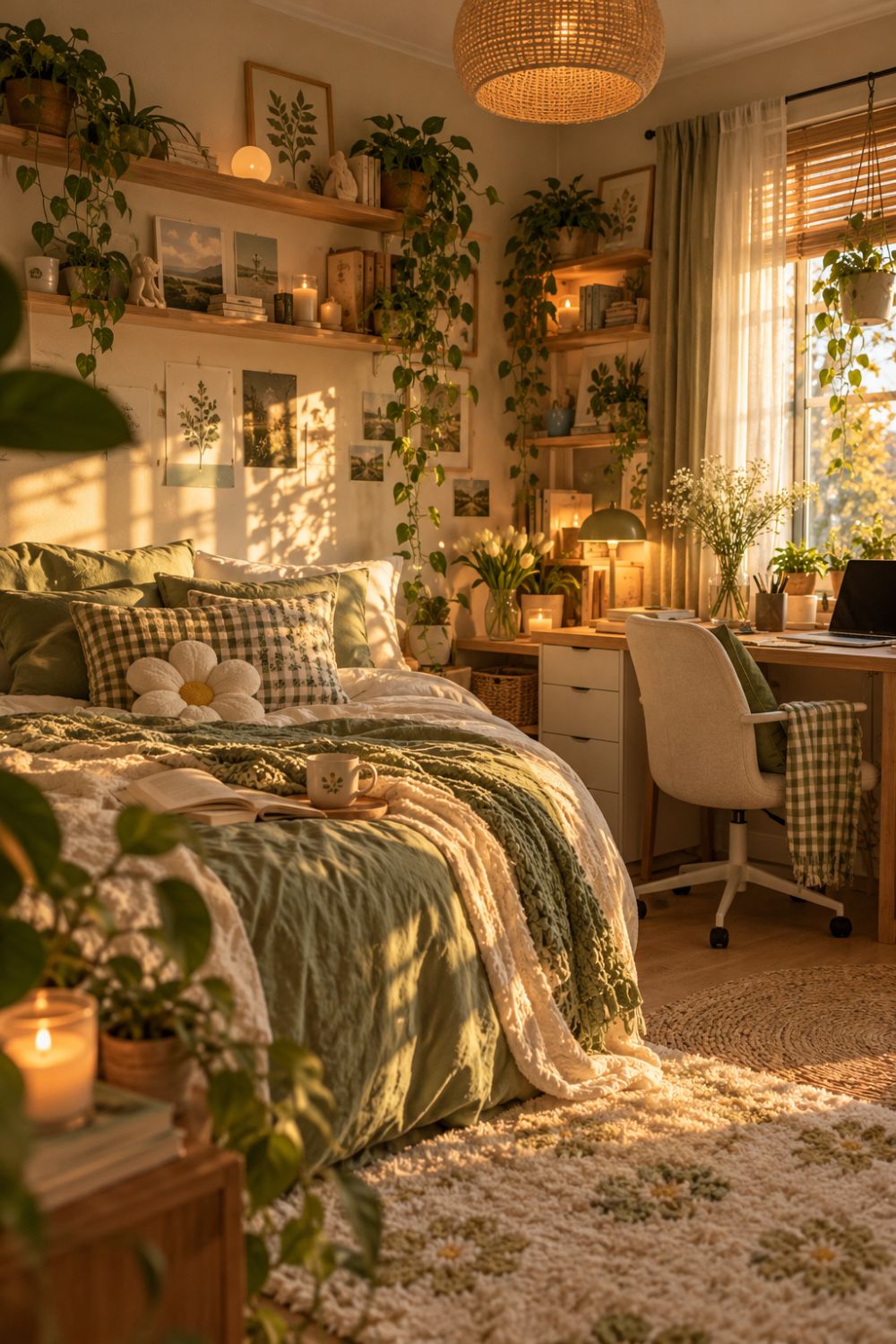
Budget-Friendly Ways to Try the Green Bedroom Trend
You don’t need an expensive bedroom makeover to create a more comfortable environment.
In fact, I’d start with the smallest possible changes.
Under $25: Try a sage green pillow cover, thrifted botanical print, small storage tray, or cozy bedside accessory.
Around $25–$60: Consider a soft throw blanket, affordable bedside lamp, simple curtains, or a set of pillowcases.
Around $60–$150: Depending on the brand and size, you may be able to find a new comforter set, a larger rug, or multiple coordinating pieces.
These are illustrative budgets, not guaranteed current prices.
Before buying anything, look at what you already have.
Can you rearrange your furniture to get more natural light?
Move a favorite blanket into your bedroom?
Use an existing basket to organize your bedside essentials?
Bring a plant from another room?
Sometimes improving your environment is less about adding things and more about making better use of what you own.
And that’s a wonderful place to start.
A beautiful bedroom is even better when it makes everyday life easier. From bedside organizers to convenient charging stations, small practical upgrades can make your space more functional. I’ve rounded up some of my favorite ideas in my guide to ADHD-friendly products on Amazon.
A Simple Green Bedroom Checklist
Before you start decorating, think about what you want your bedroom to feel like.
You don’t need to check every box.
- Choose one or two green shades that you genuinely enjoy.
- Add bedding that feels comfortable against your skin.
- Make your lighting adjustable for different activities.
- Include natural materials or nature-inspired details.
- Reduce visual clutter in the areas that bother you.
- Keep your favorite comfort items within easy reach.
- Consider your preferences for sound, scent, and temperature.
- Create a little space for reading, resting, or another enjoyable activity.
- Keep the sleeping environment comfortably dark, quiet, and cool.
- Leave room for personal objects that make you happy.
You can also use this as a starting point for your own sensory-friendly bedroom makeover.
Frequently Asked Questions
Is green a good color for a bedroom?
Green is a popular bedroom color because many shades pair well with natural materials and create a nature-inspired aesthetic. Sage, olive, moss, and forest green can all work beautifully in bedrooms. However, whether a color feels relaxing depends on personal preference, lighting, and the surrounding decor.
What colors go well with sage green bedding?
Sage green looks lovely with warm white, cream, beige, oatmeal, light oak, soft brown, and muted terracotta. If you prefer a playful cottage-inspired bedroom, try sage green with gingham or small floral patterns.
How can I make my bedroom sensory-friendly?
Start by identifying which sensory experiences make you comfortable and which ones feel overwhelming. Consider adjustable lighting, bedding textures, background noise, fragrance sensitivity, room temperature, and visual clutter. Make small changes based on your personal needs.
Is a sensory-friendly bedroom good for adults with ADHD?
A sensory-friendly bedroom may help some adults with ADHD create a more comfortable environment, particularly if they experience sensory sensitivities or feel overwhelmed by clutter. However, preferences vary widely. Some people benefit from fewer visual distractions, while others prefer visible reminders and comforting sensory input.
Can dopamine decor be minimalist?
Absolutely. Dopamine decor doesn’t have to involve maximalism or bright colors. You can create a quieter version by choosing a few meaningful objects, favorite textures, and colors that genuinely bring you joy.
Do I need real plants to create a greenery bedroom?
No. You can bring nature-inspired elements into your bedroom through green bedding, botanical prints, natural wood furniture, floral patterns, and artificial plants. Real plants are optional, especially if maintenance, allergies, or pet safety are concerns.
Final Thoughts: Your Bedroom Should Feel Good to Live In
I think the most beautiful thing about the cozy green bedroom trend is that it encourages us to think about how our homes make us feel.
Not just how they look.
A bedroom can be more than a place to sleep. It can be a quiet retreat, a reading corner, a place to recover from a busy day, or simply the most comfortable room in your home.
For me, the idea of a sensory-friendly sanctuary isn’t about creating a perfectly calm environment with no distractions.
It’s about having a space where I can choose the things that feel good.
A soft blanket. Natural light. A favorite book. Comfortable bedding. A few beautiful objects that make me smile.
Those little things might not look particularly important on their own.
But together, they can make everyday life feel a little more enjoyable.
And isn’t that what a dopamine-friendly home should be about?
You don’t need a perfect bedroom. You need a bedroom that feels like yours. 🌿
Research & Further Reading
- Zhang, R., Zhang, C.-Q., & Rhodes, R. E. (2021). The pathways linking objectively-measured greenspace exposure and mental health: A systematic review of observational studies. Environmental Research. https://pubmed.ncbi.nlm.nih.gov/33933490/
- The effect of the natural environment on cognition, mood and stress in adults: A systematic review. (2025). Journal of Environmental Psychology. https://doi.org/10.1016/j.jenvp.2025.102802
- Centers for Disease Control and Prevention (CDC). Improve Sleep: Tips to Improve Your Sleep When Times Are Tough. https://www.cdc.gov/niosh/bulletin/2020/sleep.html
Note: This article shares decorating ideas and general wellbeing information. Sensory preferences are individual, and decorating choices aren’t a substitute for medical or mental health support.